
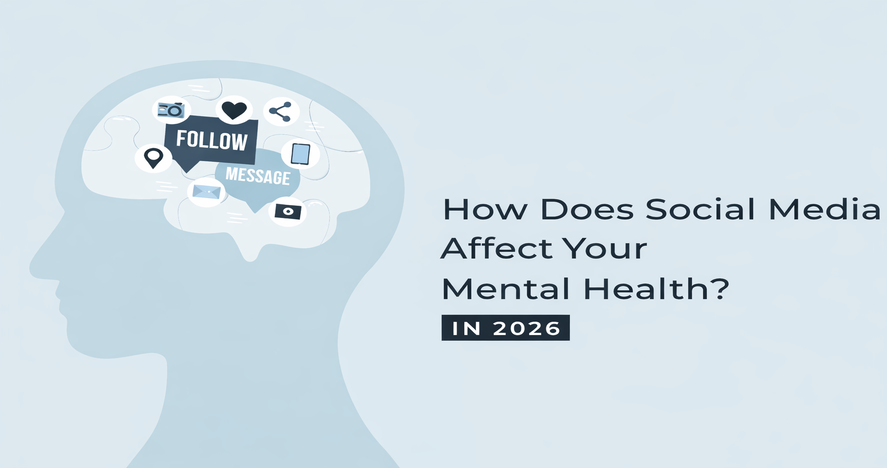
Social media has evolved far beyond a simple tool for connection. In 2026, it has become an integral part of daily life, shaping how people communicate, consume information, and perceive themselves and the world around them. It serves as a platform for entertainment, a source of news, and a mirror reflecting both societal trends and personal aspirations. Millions of teens, college students, and young professionals dedicate countless hours to scrolling through feeds, watching videos, and interacting online, often without recognizing the subtle but profound impact this has on their mental well-being. While social media offers undeniable benefits, including instant access to knowledge, entertainment, and networking opportunities, it simultaneously exerts hidden pressures that can quietly undermine self-esteem, focus, and emotional stability.
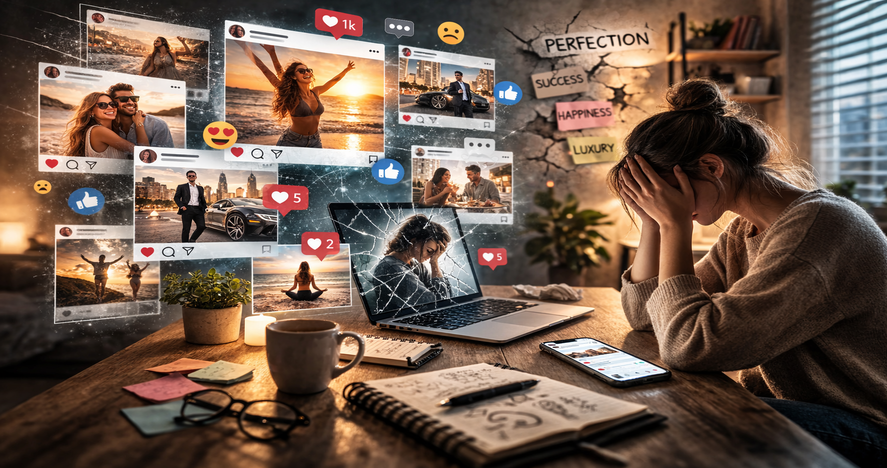
One of the most pervasive and psychologically damaging aspects of social media is the culture of constant comparison. Modern platforms are designed to highlight the best moments of people’s lives, creating an endless stream of achievements, glamorous experiences, and curated content that rarely reflects reality. Individuals are exposed to images of success, physical perfection, luxury lifestyles, and exciting adventures on a daily basis, while their own accomplishments and mundane experiences often feel insignificant by comparison. This constant exposure to idealized portrayals fosters unrealistic expectations, leading users to measure themselves against unattainable standards. Over time, the habitual act of comparing oneself to others can erode self-confidence and foster feelings of inadequacy, even in individuals who are otherwise successful. This silent psychological pressure can subtly shift perceptions of self-worth, making personal victories feel less meaningful and cultivating a persistent sense of dissatisfaction and envy.
The illusion of perfection created by social media is more than just seeing filtered photos or polished posts; it is a continuous reinforcement of an unattainable standard of life, success, and beauty. Every scroll reinforces the message that others are living flawless lives while you struggle with ordinary challenges. These moments are often carefully curated and edited, showing only highlights while hiding failure, effort, and imperfections. The constant bombardment of such content trains the mind to assume that perfection is the norm, creating an internal pressure to measure up. Over time, this distortion of reality affects self-perception, making people overly critical of themselves and their accomplishments, and fostering a deep sense of inadequacy.
Self-worth is gradually eroded through repetitive exposure to social comparisons. The subtle message of “you are not enough” is constantly reinforced as users evaluate themselves against the curated lives of others. Each perceived shortcoming, each missed opportunity, or each unliked post contributes incrementally to feelings of insufficiency. Even when someone achieves personal milestones, the mind often compares them to the seemingly effortless success displayed online, making personal victories feel trivial. The result is a slow but steady erosion of confidence, where satisfaction with one’s own life diminishes in favor of longing for an idealized existence.
The combination of perfectionism and diminished self-worth creates a feedback loop of envy and dissatisfaction. Users constantly measure themselves against an unrealistic standard and experience jealousy when they perceive others as more accomplished, happier, or more attractive. This cycle reinforces feelings of restlessness and inadequacy, making it difficult to appreciate the present or celebrate personal successes. The ongoing loop of comparison, envy, and dissatisfaction can significantly impact emotional well-being, leaving users mentally exhausted and perpetually seeking validation or reassurance through social media interactions.
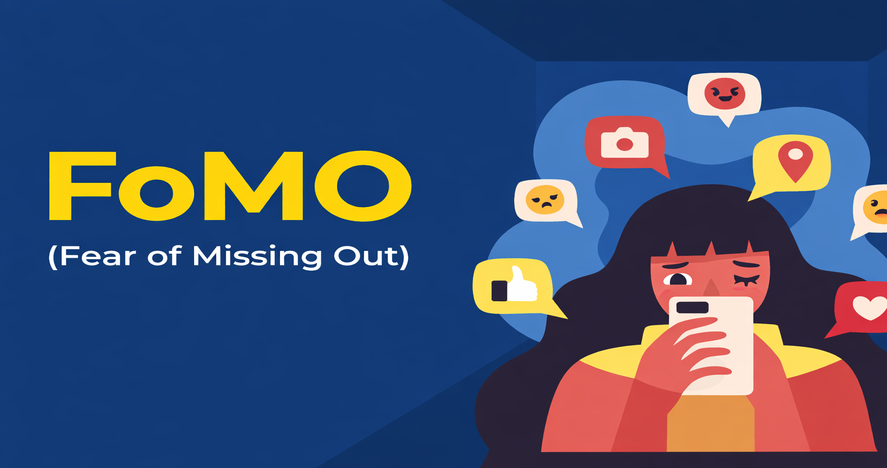
FOMO, or the fear of missing out, has become a defining mental health challenge in the age of social media. As platforms continuously display other people’s experiences, achievements, and social gatherings, users are constantly reminded that life is happening elsewhere, often without them. This creates an underlying tension and restlessness, where individuals feel compelled to stay connected at all times to avoid missing opportunities or updates. The fear of being left behind, combined with a perpetual awareness of others’ curated lives, fosters heightened anxiety and can disrupt the ability to enjoy the present moment. FOMO contributes to compulsive checking of notifications, social feeds, and messages, trapping users in a cycle of engagement that rarely satisfies and often exacerbates feelings of inadequacy, restlessness, and discontentment.

The structure of modern social media fundamentally reshapes how the human brain processes information. The prevalence of short-form content, fast-moving videos, and constant notifications encourages rapid consumption and immediate gratification, rewarding users for brief bursts of attention rather than sustained focus. This shift has tangible effects on cognitive function, making it increasingly difficult to engage in deep reading, maintain concentration during lectures, or complete long-term projects. Over time, the brain becomes accustomed to constant stimulation, creating a dependence on short-term rewards and making patience, critical thinking, and reflective engagement more challenging. The result is a population that struggles to sustain attention, process information deeply, and engage meaningfully with complex tasks, all while remaining fully immersed in the instantaneous and ever-changing rhythm of online content.
Short-form content has redefined how the brain interacts with information. Videos, reels, and rapid posts condition the mind to focus only on brief, highly stimulating bursts of information, reducing the capacity for sustained attention. Users become accustomed to switching between topics rapidly, rarely engaging with anything that requires prolonged cognitive effort. This constant exposure reshapes mental habits, weakening the ability to process complex ideas or follow extended narratives, both in professional and educational contexts
Modern social media rewards immediate reactions and short-term satisfaction. Notifications, likes, and trending content provide small dopamine boosts, reinforcing the need for instant feedback. Over time, this dependency fosters impatience, reduces the ability to delay gratification, and diminishes motivation for long-term tasks that lack immediate rewards. The constant search for quick emotional payoffs subtly trains the brain to prioritize speed and instant validation over patience, focus, and deliberate thinking.
Maintaining deep focus has become increasingly difficult in a digital landscape dominated by fast content. Extended reading, prolonged learning, or concentrated work feels mentally taxing because the brain is accustomed to rapid stimulation and frequent interruptions. Tasks that require sustained attention, critical thinking, or reflection are often abandoned prematurely or performed with minimal engagement. Over time, the inability to focus deeply undermines productivity, learning, and cognitive growth, creating a population more attuned to fleeting entertainment than sustained intellectual effort.
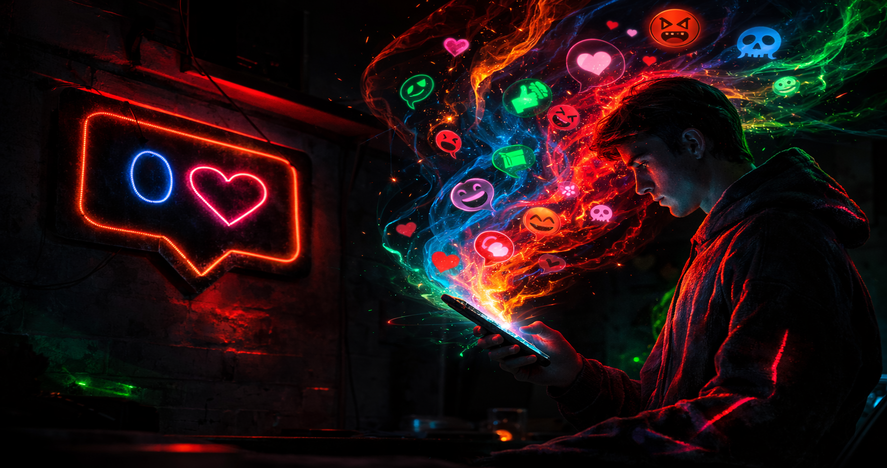
Social media has transformed the way we interact with the world, but it also has a darker side that can amplify overthinking and emotional strain. Platforms are designed to capture attention, encourage engagement, and create constant feedback loops. Every post, comment, like, or share becomes a potential source of evaluation not just by others, but by ourselves. Users often find themselves scrutinizing every detail of their online presence, wondering if their captions sound right, if their photos are flattering, or if their opinions will be accepted.This constant self-monitoring leads to a cycle of overanalyzing and second-guessing. People may replay conversations in their minds, dissect comments for hidden meanings, or obsess over how they were perceived in a single interaction. Even after posting content, the anxiety doesn’t stop; users check for reactions repeatedly, interpret engagement metrics as a measure of self-worth, and imagine possible criticisms that may never come.Over time, this hyper-awareness can become mentally and emotionally exhausting. Emotional fatigue sets in as people struggle to maintain a “perfect” persona online, suppressing authentic expressions of self in favor of what might be socially approved or admired. The pressure to constantly manage one’s image online can create stress and anxiety that spill over into offline life, making it hard to relax, focus, or engage in genuine social interactions.In addition, social media often fosters comparison, which intensifies overthinking. Seeing curated highlights of others’ lives can make individuals question their own choices, achievements, or relationships, fueling self-doubt and rumination. Even brief scrolling sessions can leave someone questioning themselves for hours afterward, trapped in cycles of “what ifs” and “did I say that right?”Ultimately, overthinking driven by social media disrupts emotional stability, diminishes self-confidence, and hampers authentic self-expression. The constant mental load creates a persistent undercurrent of tension that colors daily experiences, making it difficult to simply exist without judgment both from oneself and from an imagined audience. Recognizing these patterns is the first step toward reclaiming mental space, setting boundaries, and restoring a healthier relationship with digital platforms.

Algorithms are the invisible engines that power social media, quietly shaping almost everything a user sees, clicks on, and interacts with. They’re designed to maximize engagement, which sounds harmless at first but the reality is far more complex and often detrimental to mental well-being. Every time a user likes a post, watches a video, or lingers over certain content, the algorithm takes note. It learns patterns and predicts what might keep the user scrolling, subtly tailoring feeds to reinforce preferences, interests, and even biases often without the user realizing it.While this personalization can feel convenient, it can also trap users in echo chambers, exposing them repeatedly to similar ideas, images, and narratives. For some, this may mean endless streams of content that heighten anxiety, amplify insecurities, or present unrealistic standards of beauty, success, and lifestyle. The constant repetition of curated perfection whether it’s flawless bodies, glamorous lives, or seemingly effortless achievements can make ordinary experiences feel inadequate, leaving users comparing themselves unfavorably to an edited version of reality.Algorithms don’t just amplify what we like they also manipulate our attention and emotions. They can prioritize content that triggers strong reactions, whether positive or negative, because emotional engagement keeps people on the platform longer. This can subtly alter moods, influence beliefs, and shift perspectives without conscious awareness. A single scrolling session might feel harmless, but over time, these algorithmic patterns can normalize negativity, encourage compulsive checking, and even warp how users perceive life, relationships, and personal accomplishments.The danger lies in the invisible influence: most users don’t realize how much their thoughts, feelings, and behaviors are being guided by unseen calculations. The algorithm isn’t just showing content it’s shaping experience. And the longer someone engages, the more the feed reflects and reinforces their anxieties, insecurities, and biases, keeping them hooked while quietly molding their worldview.

Social media addiction manifests in behaviors that may appear innocuous but carry serious mental health implications. Users often engage with apps automatically, checking feeds without conscious intent, scrolling even when busy or preoccupied, and experiencing restlessness or discomfort when disconnected. Social media becomes a default outlet for boredom, stress, or emotional regulation, replacing more constructive forms of engagement. Persistent compulsive use can consume large portions of time, leaving individuals with diminished focus, increased anxiety, and reduced capacity for meaningful offline interactions. Recognizing these behaviors is critical for addressing the addictive potential of social media and establishing healthier patterns of use.
Automatic scrolling is a behavioral pattern where users open apps reflexively, often without conscious thought or purpose. This habit reinforces dependency and diminishes control over online engagement. Over time, automatic use becomes a default behavior, occupying attention that could be directed toward productive or meaningful activities.
Many individuals turn to social media as a mechanism to escape stress, boredom, or emotional discomfort. This reliance on digital distraction replaces healthier coping strategies, creating a habitual pattern where the platform becomes a refuge rather than a tool, further increasing dependency and reinforcing avoidance behaviors.
The compulsive nature of scrolling directly impacts attention and productivity. Hours can be lost to endless feeds, reducing time for work, study, or personal development. Chronic distraction undermines mental stamina, executive function, and goal achievement, creating a compounding negative effect on daily life.
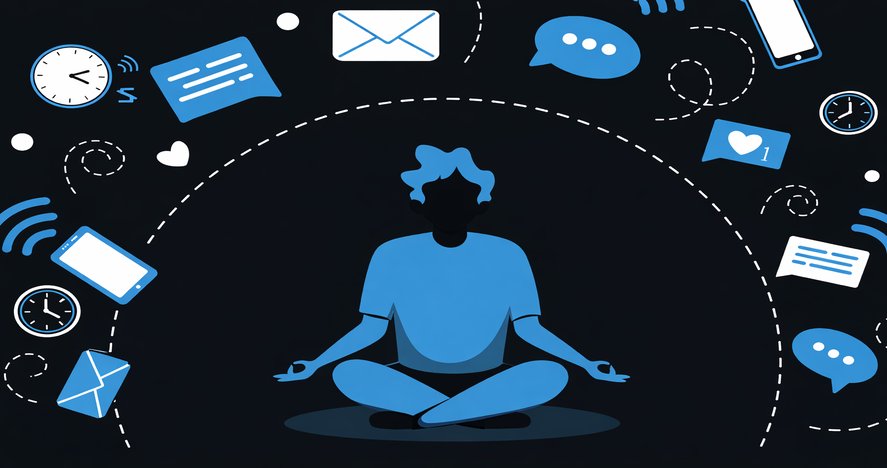
Reclaiming mental health in a social media-dominated environment requires intentionality and mindfulness. Digital detox strategies emphasize conscious engagement rather than complete withdrawal, encouraging users to schedule social media-free periods, disable non-essential notifications, curate content intentionally, and substitute scrolling with offline hobbies, physical activity, or reflective practices such as journaling or meditation. Mindful implementation of these strategies allows individuals to regain focus, reduce stress, and restore balance in cognitive and emotional functioning. Over time, even incremental adjustments in usage can yield substantial improvements in self-esteem, productivity, and mental resilience.
The concept of a digital detox is often misunderstood as quitting social media entirely. However, complete withdrawal is not always practical or necessary; instead, conscious engagement focuses on using social media intentionally. This means interacting only with content that adds value, inspires, or educates, rather than mindlessly scrolling through feeds. Users are encouraged to set specific goals for their online interactions, such as connecting with friends meaningfully, learning a new skill, or accessing credible news, rather than passively consuming content. Conscious engagement helps individuals regain autonomy over their digital life, reduce compulsive behavior, and re-establish control over attention and emotional responses to online stimuli.
Replacing social media time with offline activities is a cornerstone of a successful digital detox. Engaging in hobbies, sports, reading, creative projects, or exercise not only diverts attention from screens but also stimulates the brain in more constructive ways. Physical activity releases endorphins, reducing stress and boosting mood, while creative or reflective tasks like journaling or drawing enhance cognitive flexibility and emotional intelligence. By incorporating these activities into daily routines, individuals create a natural buffer against compulsive online behaviors and foster a healthier, more balanced lifestyle that strengthens both mental and emotional resilience.
A structured digital detox gradually restores equilibrium between mental and emotional states. By limiting exposure to constant notifications, comparison, and overstimulating content, the brain is allowed to recover, improving focus, memory, and emotional regulation. Mindful breaks from social media reduce cortisol levels, alleviate anxiety, and restore the ability to concentrate on long-term tasks. Emotional balance is also enhanced as individuals regain clarity and perspective, enabling them to respond more calmly to stressors, appreciate real-life interactions, and rebuild self-confidence. Over time, consistent detox practices cultivate a sustainable relationship with technology that enhances well-being rather than undermining it.

The influence of social media on sleep is profound and multifaceted. Late-night engagement, combined with the blue light emitted from screens and the mental stimulation inherent in interactive content, disrupts natural circadian rhythms and interferes with the ability to fall and remain asleep. Poor sleep quality exacerbates mental health challenges, amplifying anxiety, irritability, and difficulties in concentration. Consistent exposure to social media during typical rest periods undermines recovery processes, leaving individuals cognitively and emotionally depleted, and creating a feedback loop of impaired sleep, increased engagement, and further mental strain.
Blue light from screens directly affects melatonin production, the hormone responsible for regulating sleep-wake cycles. Excessive exposure in the evening delays the onset of sleep, reduces overall sleep quality, and interferes with natural circadian rhythms. This misalignment affects not only the ability to fall asleep but also the depth of restorative sleep, leaving individuals groggy and less focused the next day. Over time, chronic disruption of circadian rhythm contributes to fatigue, mood disorders, and diminished cognitive performance, highlighting the hidden toll of late-night social media use.
Scrolling through feeds, watching videos, or engaging in online interactions stimulates the brain even when the body is physically ready for rest. Social media content often evokes emotional responses such as excitement, stress, or anxiety, keeping the mind in a heightened state of alertness. This mental stimulation delays the natural process of winding down for sleep, making it difficult to relax, fall asleep, and enter deeper stages of restorative rest. The problem compounds when individuals repeatedly check notifications, causing fragmented sleep and prolonged periods of wakefulness.
The interplay between social media and sleep creates a vicious cycle. Poor sleep leads to fatigue and decreased attention during the day, which in turn drives individuals to seek stimulation and distraction online. Late-night engagement perpetuates sleep disruption, increasing stress, mood swings, and mental exhaustion. Over time, this cycle becomes self-reinforcing, undermining mental and emotional health, impairing productivity, and leaving individuals trapped in a pattern of chronic digital overstimulation and sleep deprivation. Breaking this cycle requires conscious effort, intentional boundaries, and lifestyle adjustments that prioritize restorative sleep and mindful technology use.
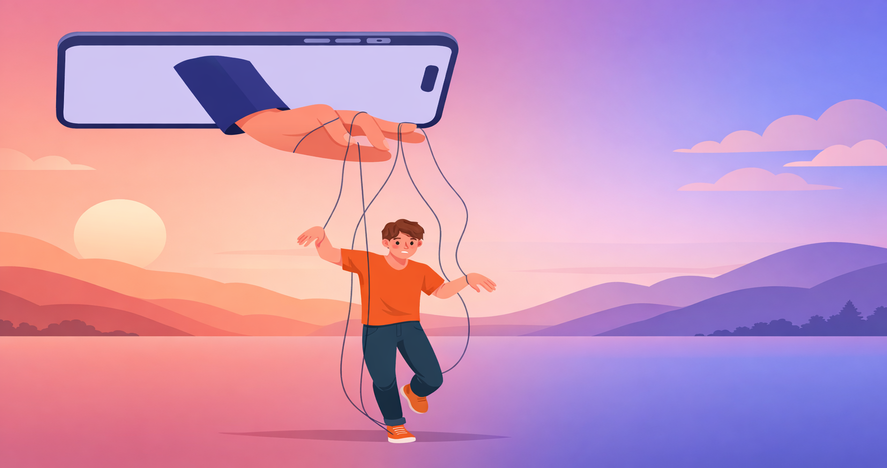
Social media is a powerful tool, capable of connecting people, disseminating information, and providing entertainment, yet its impact on mental health is contingent upon conscious and intentional use. The challenge lies not in the platforms themselves but in the unconscious patterns of engagement that develop over time. Protecting mental health in 2026 requires awareness, self-regulation, and deliberate strategies to ensure that online experiences enhance rather than diminish well-being. By adopting mindful usage, setting boundaries, and implementing digital detox practices, individuals can reclaim focus, confidence, and emotional stability, ultimately using social media as a tool for enrichment rather than a source of stress.
The first step in reclaiming control is awareness understanding exactly how social media influences thoughts, emotions, and behaviors. Awareness requires reflection: recognizing triggers that lead to comparison, anxiety, or compulsive scrolling. It also means monitoring how much time is spent online and observing patterns of emotional response to content. By identifying these habits, individuals can begin to make conscious decisions rather than reacting automatically, creating the foundation for healthier digital engagement.
Establishing clear boundaries is crucial for maintaining mental well-being. This includes limiting screen time, scheduling social media-free hours, turning off non-essential notifications, and curating feeds to include content that inspires or educates rather than triggers stress or envy. Intentional use shifts the focus from passive consumption to purposeful interaction, allowing individuals to reap the benefits of social media without falling victim to its negative effects. Boundaries also encourage engagement in real-life experiences, strengthening social connections, and building emotional resilience.
Long-term mental health requires incorporating mindful practices into daily life. Techniques such as journaling, meditation, and offline hobbies counterbalance the overstimulation from social media. Mindfulness teaches users to respond thoughtfully rather than react impulsively, fostering emotional regulation, self-awareness, and inner peace. Over time, these practices allow individuals to enjoy social media as a tool for connection, learning, and entertainment while preserving focus, confidence, and mental stability. The goal is not to eliminate social media entirely but to create a balanced, empowering relationship with technology, ensuring that it serves the user rather than the other way around.